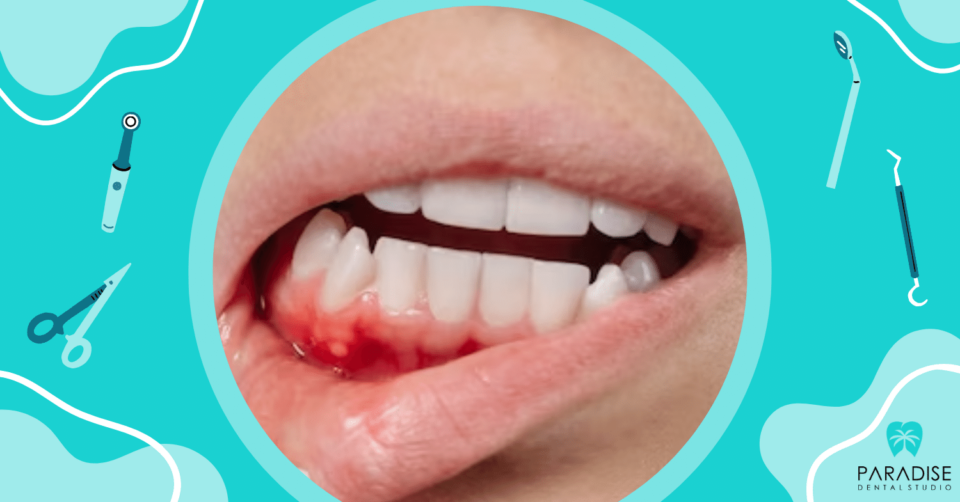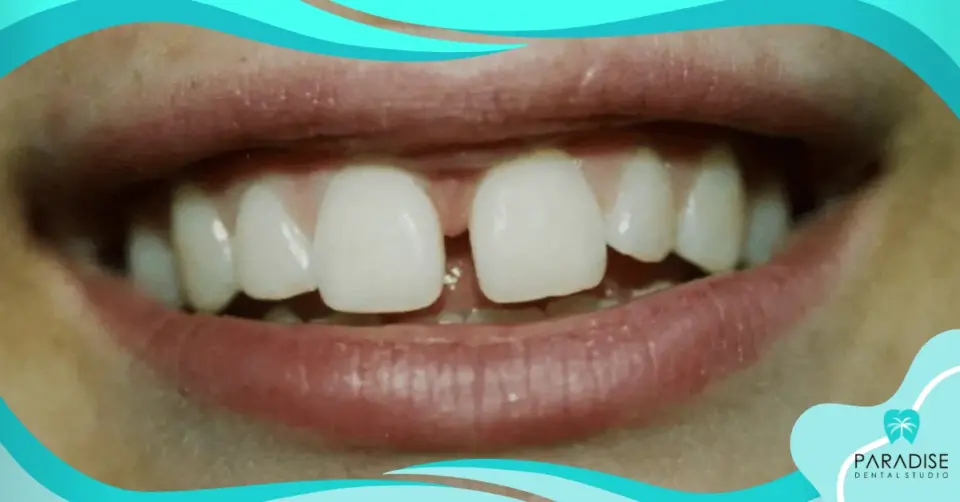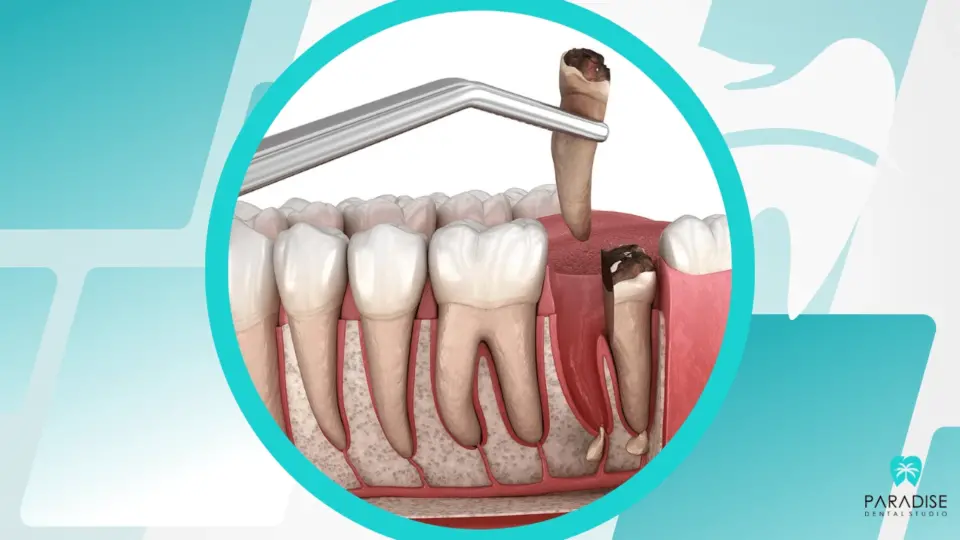
Is a nagging toothache or sensitivity making eating a challenge? You might need a dental filling in Fort Lauderdale, FL. Cavity symptoms like pain, sensitivity, or visible holes in your teeth are all signs that you should see a dentist soon.
Waiting too long can lead to bigger problems, including more extensive damage or infection. A dental filling in Fort Lauderdale, FL is quick and effective, protecting your tooth from further harm.
How Do I Know If I Need a Dental Filling?
A dental filling is typically needed when a cavity has formed in your tooth. But how can you tell if you need one? The signs can vary from mild discomfort to sharp pain, depending on the severity of the cavity. Here are some common symptoms that indicate a dental filling might be required:
- Tooth Sensitivity: If your tooth is sensitive to hot, cold, or sweet foods, it could be a sign of decay.
- Pain While Chewing: If chewing or biting causes discomfort, you may have a cavity that needs filling.
- Visible Holes or Dark Spots: If you notice any holes or dark spots in your teeth, it’s time to see your dentist.
- Bad Breath or Unpleasant Taste: Ongoing bad breath or a persistent bad taste in your mouth can indicate decay.
If you experience any of these cavity symptoms, it’s important to visit a dentist for a thorough examination. Fort Lauderdale, FL has several experienced dental clinics that can help diagnose and treat these issues before they worsen. Learn more about dental cavities and their symptoms to better understand your condition.
Can Cavities Go Away Without Fillings?
You might be wondering, “Can a cavity heal itself?” Unfortunately, the answer is no. Once a cavity has formed, it won’t go away on its own.
Cavities are the result of tooth decay, which is caused by bacteria in the mouth. According to the CDC’s oral health guidelines, these bacteria feed on sugars and produce acids that erode tooth enamel, eventually leading to decay.
While the very early stages of decay (white spots on teeth) can sometimes be remineralized through good oral hygiene or fluoride treatment, once the cavity has developed, it requires professional intervention. You can explore preventive care options like fluoride treatments for early-stage protection.
Visiting a dentist is the best option to avoid further damage to your teeth. If cavities are left untreated for too long, they can progress, causing more serious dental issues.
What Happens If You Ignore a Cavity?
Ignoring a cavity can lead to more serious dental problems. In the early stages, cavities may cause mild pain or sensitivity, but if they are left untreated, the decay can spread deeper into the tooth, affecting the nerve and potentially leading to an infection. Here’s what could happen if you don’t take action:
- Increased Pain: A small cavity that isn’t treated can cause intense pain as it spreads deeper into the tooth.
- Infection: If the cavity reaches the pulp (the soft tissue inside the tooth), it can cause an infection that may require a root canal procedure.
- Tooth Loss: Severe decay can compromise the structure of your tooth, and in some cases, the tooth may need to be extracted.
A dental filling in Fort Lauderdale, FL is a quick and effective solution to prevent the tooth from further deterioration. Don’t wait too long to get treated, as this can lead to more complicated procedures and even tooth loss. Fort Lauderdale is home to skilled dental professionals who can help you avoid these serious consequences.
Is Getting a Filling Painful?
The fear of pain is one of the main reasons people delay getting a dental filling in Fort Lauderdale, FL, but the procedure is typically not painful. Here’s what you can expect during the process:
- Numbing: Before the dentist starts the filling, they will numb the area around the tooth with a local anesthetic, so you won’t feel any pain during the procedure.
- Drilling: If the cavity is deep, the dentist may need to remove decayed tissue, which involves drilling. However, the anesthetic will prevent any discomfort.
- Filling: Once the cavity is clean, the dentist will fill the hole with a material like composite resin, amalgam, or porcelain. This process is quick and typically painless.
If you’re concerned about pain, it’s always a good idea to discuss your fears with your dentist beforehand. They can offer sedation options or ensure that the area is thoroughly numb to keep you comfortable throughout the procedure.
How Long Does a Dental Filling Last?
The longevity of a dental filling depends on several factors, such as the type of material used, the location of the filling, and how well you maintain your oral hygiene. On average, most fillings last between 5 to 15 years. Here’s a breakdown of how long different types of fillings typically last:
- Amalgam Fillings: These silver-colored fillings can last between 10 to 15 years and are known for their durability.
- Composite Fillings: These tooth-colored fillings last around 5 to 10 years but may wear down more quickly in high-pressure areas like the back teeth.
- Porcelain Fillings: Porcelain fillings are durable and aesthetically pleasing, lasting between 10 to 15 years.
If you’re in Fort Lauderdale, FL, visiting your dentist regularly for general dentistry services will ensure that your dental filling in Fort Lauderdale, FL is still in good condition and doesn’t need replacing.
What Are the Early Signs of Tooth Decay?
Tooth decay can develop slowly, and the early signs might be subtle. It’s essential to recognize these signs early on so you can get treatment before the decay worsens. Some early indicators include:
- White Spots: Early decay can cause white, chalky spots on your teeth, especially around the gum line. These spots are a sign of demineralization, which can be reversed with fluoride treatments if caught early.
- Sensitivity: Sensitivity to hot, cold, or sweet foods is one of the first symptoms of tooth decay.
- Visible Holes: As decay progresses, you may start to see small holes or dark spots in your teeth.
If you notice any of these signs, don’t wait to visit a dentist. Catching decay early means that a simple dental filling could restore your tooth and prevent more severe damage down the road.
Can a Small Cavity Turn Into a Root Canal?
Yes, a small cavity can eventually lead to a root canal if left untreated. If a cavity is not addressed, the decay can reach the pulp of the tooth, where the nerves and blood vessels are located. This can lead to an infection, often associated with dental infections, requiring more invasive treatment like a root canal.
A root canal involves removing the infected tissue from inside the tooth and sealing it. While root canals are effective, they are more complicated and expensive than fillings. Therefore, it’s crucial to treat cavities early with a dental filling to avoid the need for a root canal.
Conclusion
It’s clear that early intervention is key when it comes to dental fillings. Ignoring cavity symptoms can lead to more severe problems, such as root canals or tooth loss.
Regular check-ups with a dentist in Fort Lauderdale, FL, are essential to maintaining your oral health and preventing decay from progressing. Don’t wait to take care of your teeth – the sooner you address any concerns, the better the outcome will be.
Keep Your Smile Healthy with Paradise Dental Studio of Fort Lauderdale
If you’re noticing any cavity symptoms or just want to ensure your teeth are in top condition, don’t hesitate to contact Paradise Dental Studio in Fort Lauderdale, FL. Our team of skilled professionals can help you address any dental concerns and keep your smile looking its best.