For decades, dental implants have taken the spotlight in restorative dentistry, celebrated for their longevity and ability to replicate natural teeth. But quietly, dental bridges have been making a strong comeback and for good reason. Once seen as an older, less advanced option, modern dental bridges have evolved through new materials, technology, and techniques that make them both durable and aesthetically impressive.
Today, many dentists and patients are rediscovering the value of bridges—not as a compromise, but as a smart, reliable solution for restoring missing teeth. Let’s explore why dental bridges are regaining popularity, how they compare to implants, and what makes them a lasting part of modern restorative dentistry.
Why Dental Bridges are Becoming Popular Again in Modern Dentistry
The renewed interest in dental bridges stems from advances that have made them more natural-looking, comfortable, and long-lasting than ever before. In the past, bridges were often viewed as a quick fix—a functional but less ideal option compared to implants. However, innovation has transformed that perception.
Here are some reasons dental bridges are making a strong return:
- Improved aesthetics: Modern bridges use high-quality ceramics and porcelain fused to zirconia, offering lifelike translucency that blends seamlessly with natural teeth.
- Faster treatment times: Unlike implants, which require months of healing after surgery, dental bridges can typically be completed in just a few visits.
- Less invasive procedure: Bridges don’t require surgery or bone grafting, making them an excellent choice for patients who want immediate restoration without extended downtime.
- Accessibility: For individuals who may not be candidates for implants due to bone loss, health conditions, or cost, bridges remain an effective and reliable solution.
- Technological precision: Digital scanning, CAD/CAM fabrication, and advanced adhesives have improved the precision, fit, and comfort of modern bridgework.
The result? A treatment that’s both practical and beautiful—combining convenience with strength in a way that appeals to patients seeking fast, lasting results.
How Dental Bridges Compare to Implants for Tooth Replacement
Both dental bridges and implants serve the same purpose: replacing missing teeth and restoring full function. But they differ in procedure, cost, and long-term considerations. Understanding these differences helps patients choose what fits their needs best.
1. Procedure and healing time
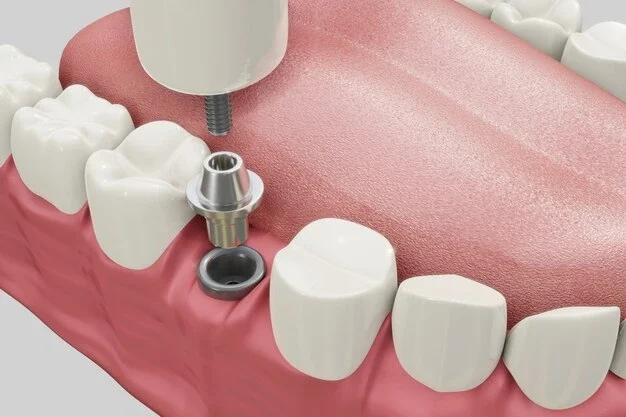
Dental implants require surgical placement into the jawbone, followed by a healing period of several months before the crown can be attached. Bridges, on the other hand, are supported by neighboring teeth that are reshaped and fitted with crowns to anchor the replacement tooth. This makes bridges a faster solution, often completed in two to three appointments.
2. Bone health
Implants have the advantage of stimulating the jawbone, preventing bone loss over time. Bridges do not integrate with bone, but advancements in materials and design have improved how well they support adjacent teeth, maintaining bite balance and preventing shifting.
3. Maintenance
Both options require good oral hygiene, but bridges are often easier for patients who may not want to manage the meticulous cleaning required around implants. Regular brushing, flossing, and dental checkups are typically enough to keep a bridge healthy and secure.
4. Cost and accessibility
Dental implants can be more expensive upfront, especially when bone grafts or multiple restorations are involved. Modern bridges provide a more budget-friendly solution while still offering aesthetic and functional excellence.
5. Durability
While implants are known for their longevity, today’s bridges—especially those made from zirconia or porcelain fused to metal—can last well over a decade with proper care. Many patients find the balance of durability and simplicity appealing, particularly if they prefer to avoid surgery.
Ultimately, the decision between bridges and implants depends on individual health, preferences, and goals. But it’s clear that modern bridges are closing the gap—pun intended—when it comes to aesthetics, strength, and overall satisfaction.
What Advancements Have Improved the Durability of Dental Bridges
The resurgence of dental bridges can largely be attributed to major improvements in materials and fabrication technology. Modern dentistry has taken this traditional solution and re-engineered it for today’s standards of quality and longevity.
1. Advanced materials
Older bridges were typically made from porcelain fused to metal, which, while durable, could eventually show dark metal lines near the gum line. Newer materials like zirconia and lithium disilicate (e.max) offer a perfect balance of beauty and strength. They resist wear, match natural teeth in color, and can withstand biting forces comparable to implants.
2. Digital precision
Digital scanning and CAD/CAM milling technology have transformed the way bridges are made. Instead of relying on traditional molds, dentists now use digital impressions for precise, comfortable fits. This accuracy minimizes the risk of improper bite alignment and ensures the restoration feels natural from day one.
3. Stronger bonding agents
Modern dental adhesives provide superior retention without relying on bulky metal frameworks. These new bonding systems improve the strength and lifespan of bridges, reducing the likelihood of loosening or shifting over time.
4. Better design techniques
Today’s bridges are custom-designed to match each patient’s bite, jaw alignment, and facial structure. Advanced modeling allows for a more even distribution of pressure, preventing strain on surrounding teeth and supporting long-term oral health.
5. Improved gum integration
Dentists now pay closer attention to how bridges interact with gum tissue. With refined margins and contouring, modern bridges not only feel more comfortable but also promote healthier gums by preventing plaque accumulation and irritation.
Thanks to these innovations, dental bridges are no longer a temporary solution—they’re a sophisticated, long-term option designed for both beauty and performance.
Are Modern Dental Bridges Considered a Long-Term Restorative Solution?
Yes—modern dental bridges can absolutely be considered a long-term restorative solution when designed and maintained properly. With advances in materials and fabrication, they now offer exceptional durability and function for 10 to 15 years or longer. In many cases, bridges rival the performance of implants when supported by healthy adjacent teeth.
Long-term success factors include:
- Excellent oral hygiene: Regular brushing and flossing prevent decay around the supporting teeth.
- Professional maintenance: Routine cleanings and checkups ensure early detection of wear or looseness.
- Healthy lifestyle habits: Avoiding teeth grinding, excessive biting pressure, and hard foods helps extend bridge lifespan.
- Proper design: Modern bridges distribute force evenly across teeth, reducing stress on any single point.
When patients commit to consistent care, bridges can maintain full functionality and appearance for decades. They restore not just a smile, but the confidence to eat, speak, and live comfortably without hesitation.
The perception that bridges are short-term or outdated is no longer accurate. Today’s restorations combine artistry with advanced science, allowing patients to enjoy natural, seamless results that stand the test of time.
Rediscover the Strength and Beauty of Your Smile at Paradise Dental Studio of Fort Lauderdale
If you’ve been living with missing teeth or outdated dental work, it’s time to rediscover your smile with modern dental bridges from Paradise Dental Studio of Fort Lauderdale. Our expert team uses the latest materials and digital technology to design restorations that look natural, feel comfortable, and stand the test of time.
Whether you’re considering a bridge for the first time or replacing an older restoration, we’ll guide you through every step—from consultation to placement—to ensure a result that enhances both your confidence and your oral health.
Visit Paradise Dental Studio of Fort Lauderdale today and experience how modern bridges can bring back your smile’s beauty, balance, and function with precision and care.