Not every smile fix is the same, and choosing the right one can feel a little confusing at first. If you are deciding between dental crowns and dental veneers, it helps to know what each one actually does.
While both can improve the appearance of your teeth, they work in different ways and solve different problems. Some people need more protection and strength, while others want a simple cosmetic upgrade.
If you have been researching dental crowns in Fort Lauderdale, FL, understanding the difference between these two treatments can make your next dental decision feel much easier.
What Is the Difference Between Crowns and Veneers?
The primary difference between dental crowns and dental veneers lies in the amount of tooth coverage and the problems they’re designed to address.
Dental Crowns
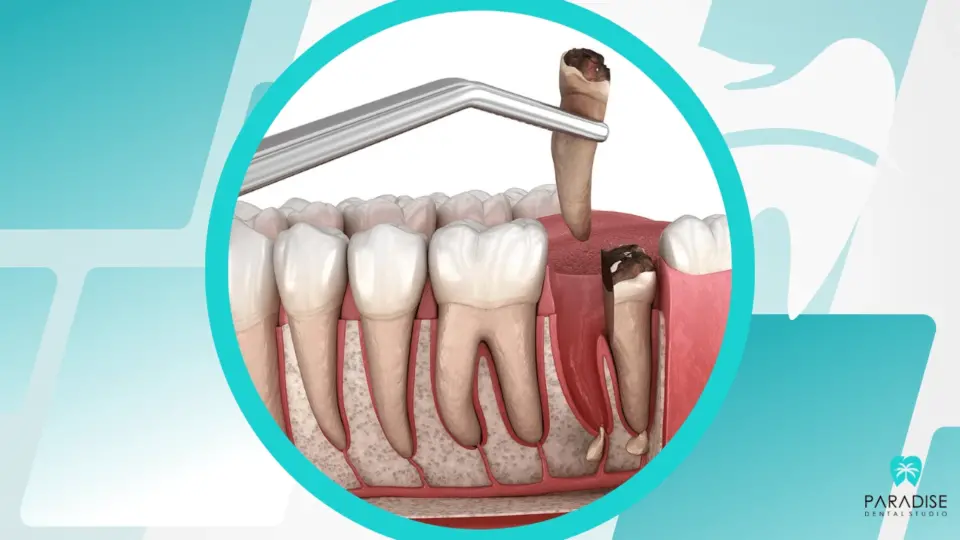
A crown is essentially a cap that covers the entire tooth, restoring its shape, size, and strength. Crowns are ideal for teeth that are severely damaged, decayed, or weakened, often as a result of extensive cavities, trauma, or root canal treatments. Learn more about dental crowns and how they restore tooth function.
Dental Veneers
Veneers, on the other hand, are thin shells of porcelain or composite resin that cover only the front surface of the tooth. They are typically used for cosmetic purposes, such as improving the appearance of teeth that are chipped, discolored, or slightly misaligned. Explore detailed insights in this dental veneers guide.
While both treatments can significantly improve your smile, dental crowns are more comprehensive and offer protection for the entire tooth, whereas dental veneers focus more on aesthetic enhancement.
Are Veneers Better Than Crowns for Front Teeth?
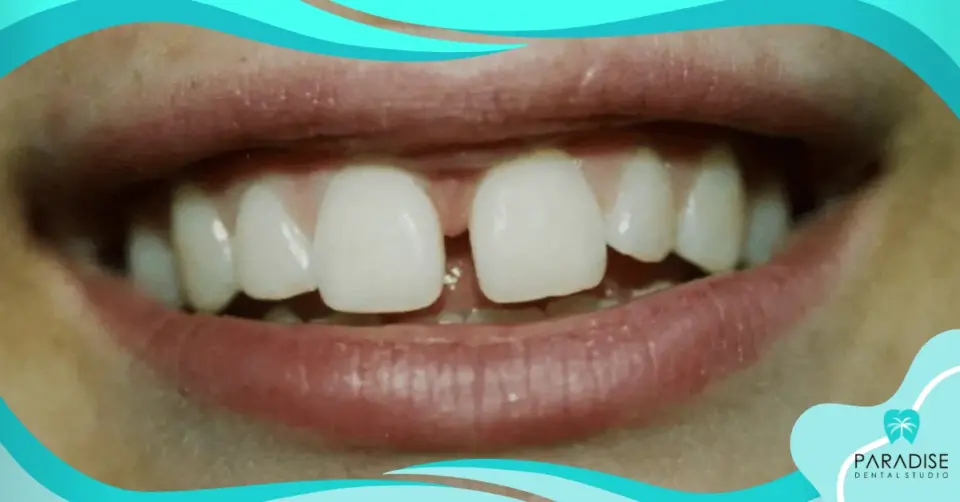
When it comes to the front teeth, dental veneers in Fort Lauderdale, FL are often the preferred option. This is because veneers provide a more natural look due to their thinness and ability to mimic the light-reflecting properties of natural tooth enamel. Veneers are particularly useful for:
- Improving the appearance of slightly crooked or chipped teeth
- Concealing stains or discoloration that can’t be removed by whitening treatments
- Creating a symmetrical, evenly spaced smile
However, dental crowns might be recommended for front teeth if they are severely damaged or decayed. If the tooth is too weakened, a crown can offer more stability and protection. The choice between veneers and crowns for front teeth ultimately depends on the extent of the damage and the desired outcome.
How Long Do Dental Crowns and Veneers Last?
Both dental crowns and dental veneers are durable options for improving your smile, but their lifespan can vary based on factors such as maintenance and oral habits.
Dental Crowns Lifespan
A crown can last anywhere from 10 to 15 years, depending on the material used and how well you care for your teeth. Crowns made from porcelain or metal are especially long-lasting and resistant to wear.
Dental Veneers Lifespan
Veneers typically last between 10 to 15 years as well, though they may need to be replaced sooner if they are made from composite resin. Porcelain veneers tend to last longer and are more resistant to staining and chipping.
To extend the lifespan of both crowns and veneers, maintaining good oral hygiene and scheduling regular dental exams is crucial. Avoiding habits like teeth grinding or chewing on hard objects can also help prevent damage. According to the American Dental Association, consistent oral care plays a key role in preserving dental restorations.
Which Is More Expensive: Crowns or Veneers?
The cost of dental crowns and dental veneers can vary depending on factors like the material used, the dentist’s expertise, and the geographical location of the dental practice. However, in general:
Dental Crowns Cost
Crowns are typically more expensive than veneers, particularly when made from materials like porcelain or gold. The average cost of a dental crown ranges from $800 to $1,500 per tooth, and more if additional treatments like root canals are required.
Dental Veneers Cost
Veneers tend to be slightly less expensive, with an average cost ranging from $1,000 to $2,500 per tooth, depending on the material. Porcelain veneers are usually more expensive than composite resin veneers, but they are more durable and offer a more natural appearance.
The overall cost for either option will depend on your specific needs and treatment plan. It’s a good idea to consult with your dentist to get an accurate estimate for your case.
Do Crowns or Veneers Look More Natural?
Both dental crowns and dental veneers can look natural, but their appearance depends on the materials used and the location of the tooth being treated.
Dental Crowns Appearance
While crowns made from porcelain can blend well with your natural teeth, they are thicker than veneers, which can sometimes make them look slightly less natural, especially on the front teeth.
Dental Veneers Appearance
Veneers are known for their ability to mimic the natural shine and translucency of teeth. They are much thinner than crowns and can be customized to match the shade and shape of your natural teeth, giving them a more seamless, lifelike appearance.
If aesthetics are your primary concern, dental veneers in Fort Lauderdale, FL are generally the better option, especially for front teeth. However, if strength and durability are your priorities, crowns may be the better choice.
Can Veneers Fix Severely Damaged Teeth?
While dental veneers are a great option for improving the appearance of teeth with mild to moderate cosmetic issues, they may not be suitable for severely damaged teeth. If a tooth is cracked, decayed, or has significant structural damage, a dental crown would be a better option. Crowns are designed to cover the entire tooth and provide strength and support to teeth that have been weakened or damaged.
Veneers are best for addressing issues like:
- Stains or discoloration
- Chipped or worn-down teeth
- Minor misalignment
For teeth that are severely damaged, your dentist may recommend a crown, especially if the tooth has already undergone a root canal or if the damage is extensive.
When Do Dentists Recommend Crowns Over Veneers?
Dentists typically recommend dental crowns over veneers in the following situations:
- Severe Decay or Damage: When a tooth is significantly decayed or damaged, a crown is necessary to restore its structure and function
- Root Canals: If a tooth has undergone a root canal treatment, it’s often too fragile to function properly without a crown
- Large Fillings: When a large portion of the tooth is missing due to fillings or decay, a crown is often needed to provide strength and prevent further damage
On the other hand, veneers are usually recommended for more cosmetic concerns, such as improving the appearance of teeth that are only slightly chipped, stained, or misaligned. You can explore more options through cosmetic dentistry services.
Conclusion
Choosing between dental crowns and dental veneers ultimately depends on the condition of your teeth and your aesthetic goals. Dental crowns in Fort Lauderdale, FL are ideal for restoring strength and function to damaged or decayed teeth, while dental veneers in Fort Lauderdale, FL are best for enhancing the appearance of healthy teeth. Consulting with your dentist will help you decide which treatment is right for your needs.
Achieve a Perfect Smile with Paradise Dental Studio of Fort Lauderdale
If you’re considering a dental crown or dental veneers, Paradise Dental Studio is here to help. Our expert team can assess your dental health and recommend the best solution to give you a smile that looks and feels amazing.
Book your consultation today through our contact page and take the first step toward a flawless smile!